How to Make Herbal Infused Oil at Home: A Simple Beginner's Guide
Turn dried herbs from your garden into a simple herbal infused oil. Learn the basic method, which oils to use, how to store it safely, and ideas for using your finished infusion.
In This Article
What happens when your herb garden starts producing more leaves than you can use fresh?
You don't have to let the extra harvest go to waste. One of the simplest ways to turn herbs from your garden into something useful is to make an herbal infused oil.
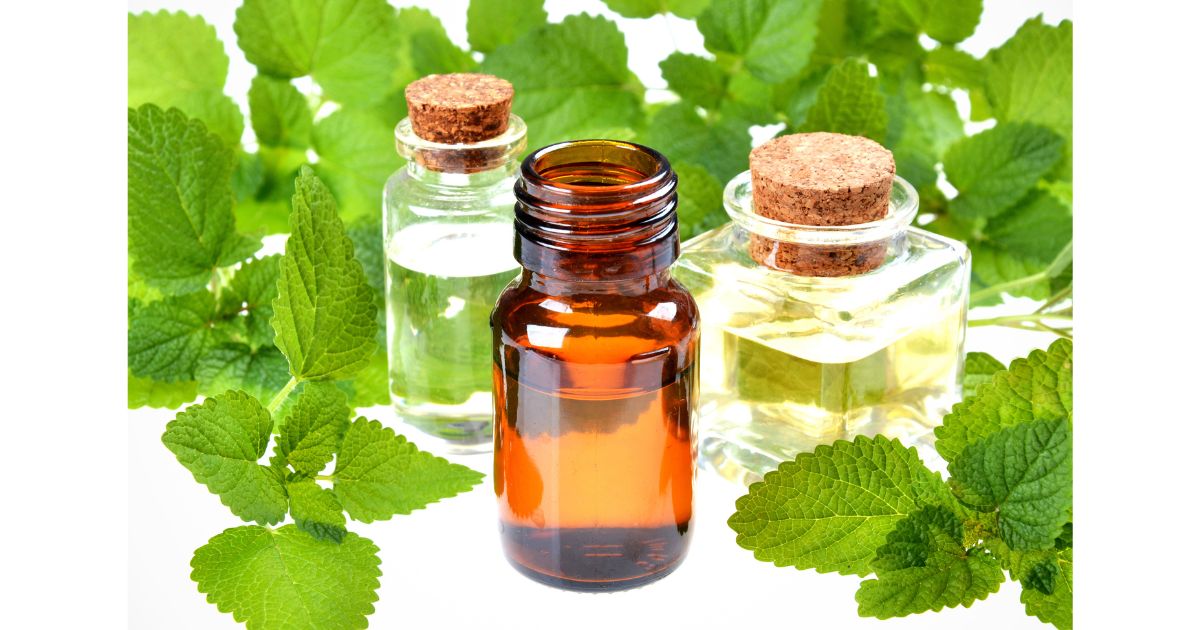
Herbal infused oil is made by allowing plant material to sit in a carrier oil for a period of time. Oil-soluble components from the herb gradually move into the oil, creating an infusion that can later be used in simple body-care projects.
For beginners, lemon balm is an interesting herb with which to learn this basic technique.
What Is an Herbal Infused Oil?
An herbal infused oil is different from an essential oil.
Essential oils are highly concentrated aromatic substances normally produced through processes such as steam distillation. Herbal infused oils are much simpler: dried plant material is soaked in a carrier oil.
This makes infusion a practical technique for home herb enthusiasts who want to learn how to use more of what they grow.
Why Use Dried Herbs?
For a beginner oil infusion intended for storage, dried herbs are the safer and more practical choice.
Fresh plants naturally contain water. Introducing moisture into an oil preparation can shorten its shelf life and increase the risk of spoilage or microbial growth.
Therefore, make sure your harvested herbs are fully dried before placing them in the oil.
What You'll Need
- About 1/2 cup fully dried lemon balm leaves
- About 1 cup carrier oil
- One clean, completely dry glass jar with a lid
- Fine strainer, cheesecloth, or clean filter cloth
- Clean, dry bottle or jar for storage
- Label and pen
The exact amount is flexible. The important thing is that the dried herbs remain well covered by oil during infusion.
Which Carrier Oil Should You Use?
Several oils can be used depending on how you plan to use the finished infusion.
Sunflower oil is a good beginner option. It is relatively light and widely available.
Jojoba is very stable and popular in body-care preparations, although it is usually more expensive.
Olive oil is easy to find and works well for many herbal infusions, although its natural aroma and heavier texture are more noticeable.
Choose a good-quality carrier oil that is fresh and appropriate for your intended use.
How to Make Lemon Balm Infused Oil
Step 1: Dry Your Lemon Balm
Harvest healthy lemon balm leaves and dry them thoroughly. There should be no obvious moisture remaining before you make the infusion.
Step 2: Prepare the Jar
Use a clean glass jar and make sure it is completely dry.
Step 3: Add the Herb
Loosely fill the jar about halfway with your dried lemon balm. Avoid packing the leaves too tightly.
Step 4: Add the Carrier Oil
Pour your chosen carrier oil over the dried leaves until they are completely covered. Leave some space at the top of the jar.
Check for trapped air bubbles and make sure no herb material is sticking above the oil.
Step 5: Infuse
Close the jar and place it in a cool, dark cupboard away from direct sunlight and heat.
Allow the herbs to infuse for approximately 2–4 weeks. Gently turn or swirl the jar periodically and check that the plant material remains covered.
Step 6: Strain
When the infusion is ready, strain the oil through a fine strainer or clean cloth. Press gently to recover the oil, while keeping plant particles out of the finished product as much as possible.
Step 7: Bottle and Label
Transfer the strained oil into a clean, completely dry bottle or jar.
Label it with:
- Herb used
- Carrier oil used
- Date prepared
This simple habit becomes especially important once you start making several herbal preparations.
How Can You Use Your Herbal Infused Oil?
Your finished infusion can become a base ingredient for other simple DIY projects.
You might use it as an ingredient in:
- Herbal balms
- Simple salves
- Body oils
- Massage oils
- Other appropriate oil-based DIY preparations
Think of infused oil as a building block. Once you understand how to make it, you can begin learning other herbal DIY techniques.
Important Storage Tips
Water and oil-based preparations do not mix well from a preservation perspective. Always work with clean, completely dry equipment and dried plant material.
Store your finished infused oil tightly closed in a cool, dark place. The usable life of the infusion depends greatly on the carrier oil, the condition of the herbs, cleanliness during preparation, and storage conditions.
If the oil develops an unusual odor, visible mold, unexpected cloudiness, bubbling, or other signs of spoilage, discard it.
Making smaller batches is often better for home use than preparing a large quantity that may sit for a long time.
From Garden to Something You Made Yourself
This is where growing herbs becomes especially rewarding.
A lemon balm seed can become a plant. The plant gives you leaves. Some leaves can be enjoyed fresh, while extra leaves can be dried. Those dried leaves can then become an ingredient in something you've made yourself.
Grow → Harvest → Dry → Infuse → Create → Share
At Amor Grow, we want to help people discover that a garden isn't only something to look at. It can also become a place to learn, experiment, create, and share.
Start With One Small Jar
You don't need a large herb garden or expensive equipment.
Start with one herb, one small jar, and one carrier oil. Learn the process carefully before moving on to more complicated preparations.
The next time you look at the herbs growing in your garden, you may start seeing more than leaves—you may start seeing what you can create from them.
Safety note: This article is for general educational and DIY purposes. Herbal products may cause skin irritation or allergic reactions in some people. Patch-test topical preparations before broader use, avoid use on broken or irritated skin, and seek appropriate professional advice when needed. This preparation is not intended to diagnose, treat, cure, or prevent disease.