Vegetables · Growing Guide
Beet – Ruby Queen
Variety: Ruby Queen · Beta vulgaris
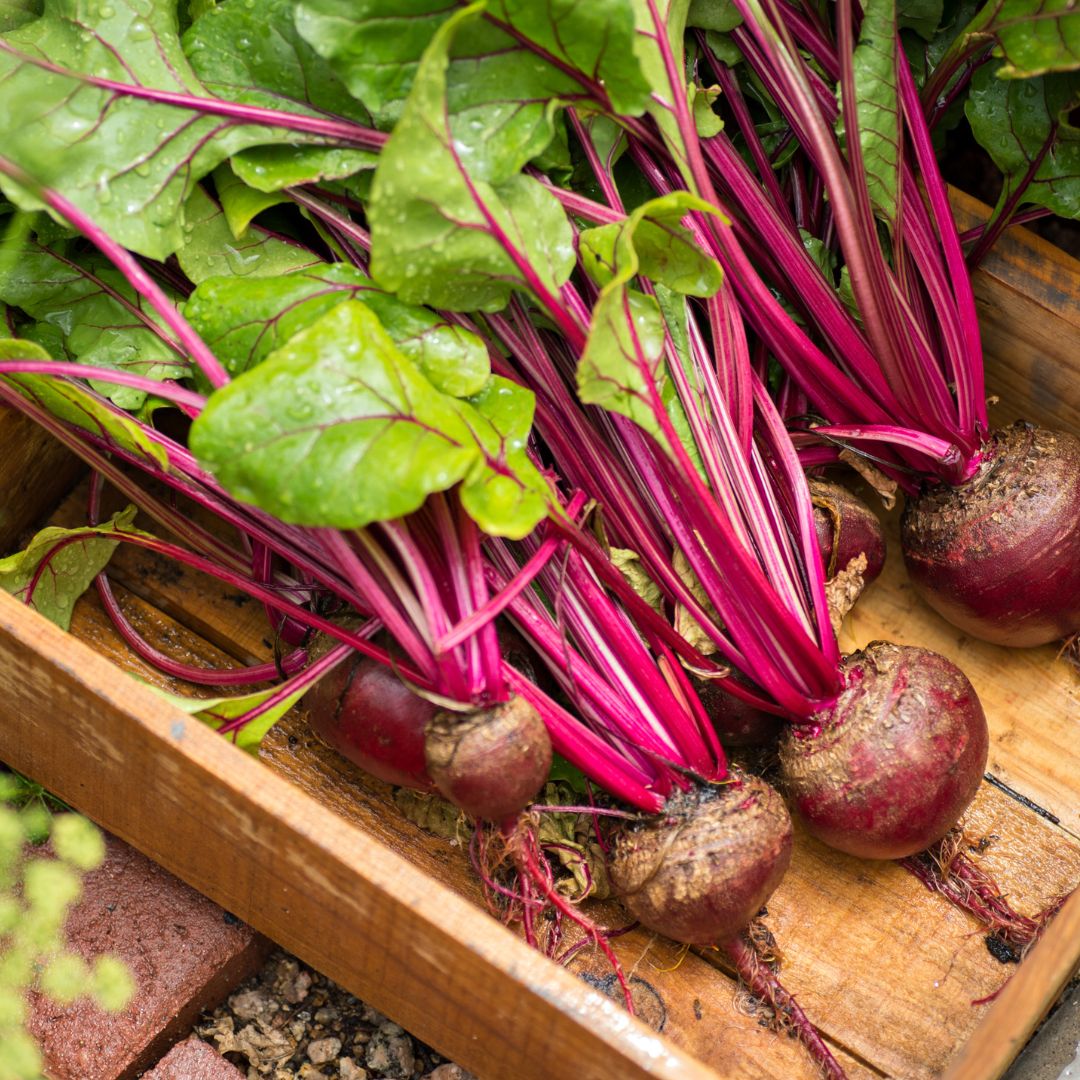
Ruby Queen Beet is a classic beet variety known for its smooth, round, deep-red roots and tender texture. Both the roots and young leaves are edible, making it a productive choice for home gardens, raised beds and containers.
- Difficulty: easyVegetableOutdoorGermination: 5–14 daysHarvest: About 55–65 days for mature roots; baby beets can be harvested earlier
Plant overview
Ruby Queen Beet (Beta vulgaris) is a productive root vegetable valued for its smooth, round, deep-red roots and edible leafy tops. It grows best in cool to mild conditions and loose, fertile, well-drained soil that allows the roots to expand freely. Consistent moisture helps produce tender, evenly shaped roots, while overcrowding can result in smaller beets. The roots can be harvested young as tender baby beets or allowed to reach full size.
Climate & growing season
Cool to mild growing conditions; performs best at about 10–24°C. Prolonged high temperatures can reduce root development and quality. Consistent moisture, good airflow and loose, well-drained soil support healthy root formation.
Seed starting
Direct sowing is recommended. Sow seeds about 1/2 inch deep in loose, moist soil and keep the soil consistently moist until germination. Beet seeds are naturally clustered and may produce more than one seedling, so thin the seedlings after emergence to provide enough room for root development.
Transplanting
Direct sowing is preferred because beet roots develop best with minimal disturbance. If seedlings are started in trays or small pots, transplant them while young and handle the roots very carefully. Avoid bending or damaging the developing root, as this can result in misshapen beets.
Sunlight
Ruby Queen Beet grows best in full sun with about 6–8 hours of direct sunlight daily. In hot conditions, light afternoon shade can help reduce heat stress while still providing enough light for healthy leaf and root development.
Watering
Keep the soil consistently moist throughout growth, especially while the roots are developing. Water deeply when the top layer of soil begins to dry, but avoid waterlogged conditions. Irregular watering can reduce root quality and may cause tough or poorly shaped roots.
Soil & growing medium
Grow Ruby Queen Beet in loose, fertile, well-drained soil with a pH around 6.0–7.0. Remove stones, hard clumps and other obstacles that may interfere with root development. Mix well-decomposed compost into the soil before sowing, but avoid excessive fresh manure or very high nitrogen levels.
Fertilizing
Mix well-decomposed compost into the soil before sowing. Use a balanced fertilizer moderately during growth and avoid excessive nitrogen, which can encourage large leafy tops instead of good root development. Adequate phosphorus and potassium support healthy root growth.
Harvesting
Ruby Queen Beet is usually ready to harvest about 55–65 days after sowing. Harvest when the roots reach the desired size, typically around 2–3 inches in diameter for tender mature beets. Baby beets can be harvested earlier. Gently loosen the soil around the root before pulling to avoid damage. The young leaves are also edible and can be harvested lightly while the plant is growing.
Was this guide helpful?
Need more help?
Our team at Amor EcoFarm is happy to answer growing questions from Thai gardeners. Reach out on LINE for the fastest reply or send us a message.