Vegetables
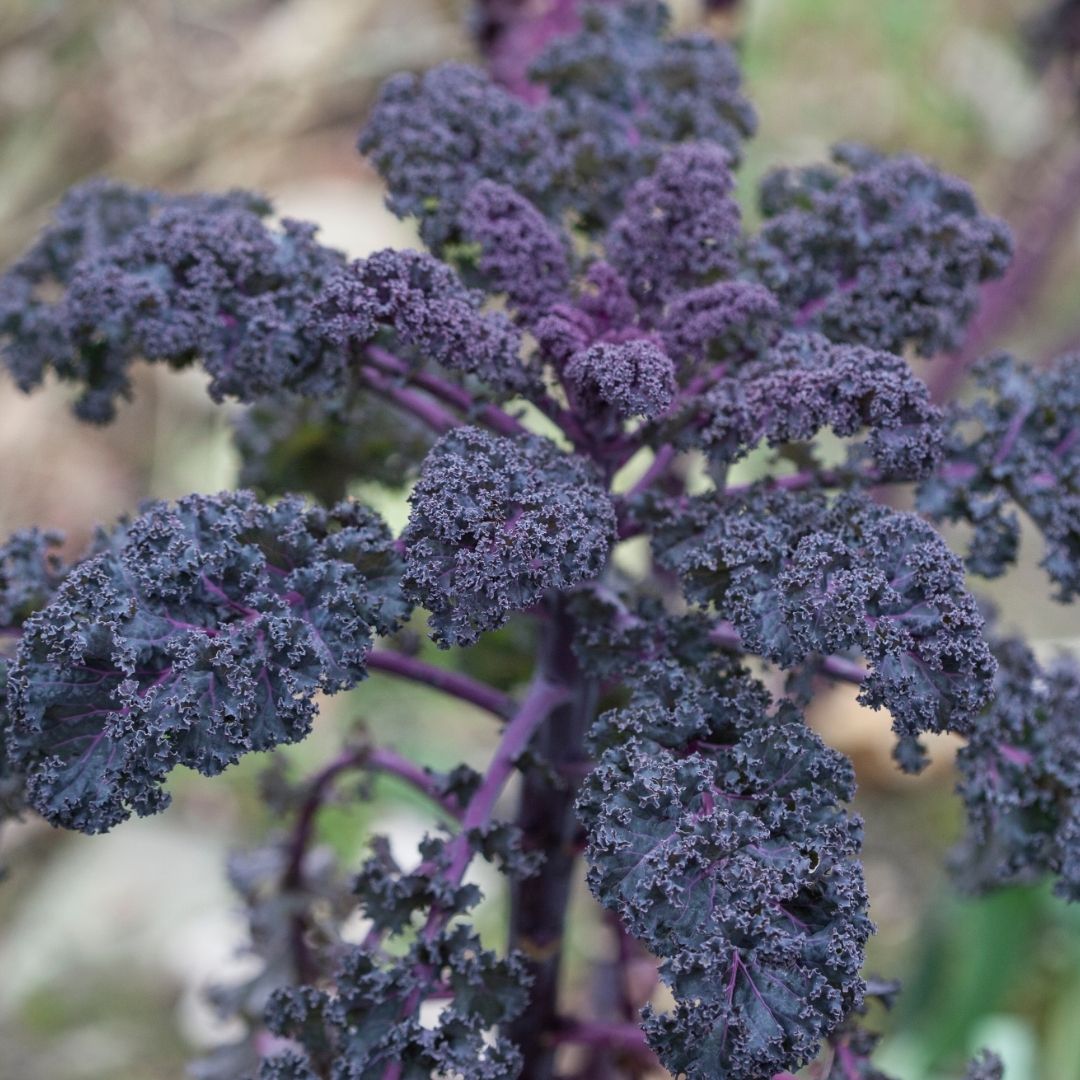
EasyScarlet Kale Seeds for Home Gardening
Beautiful red curly kale, non-GMO
Options
- Beginner Friendly
- Non-GMO
- Suited to Thailand
- Indoor-friendly
- Germinates 5–10 days
- Harvest 50-70 days
Overview
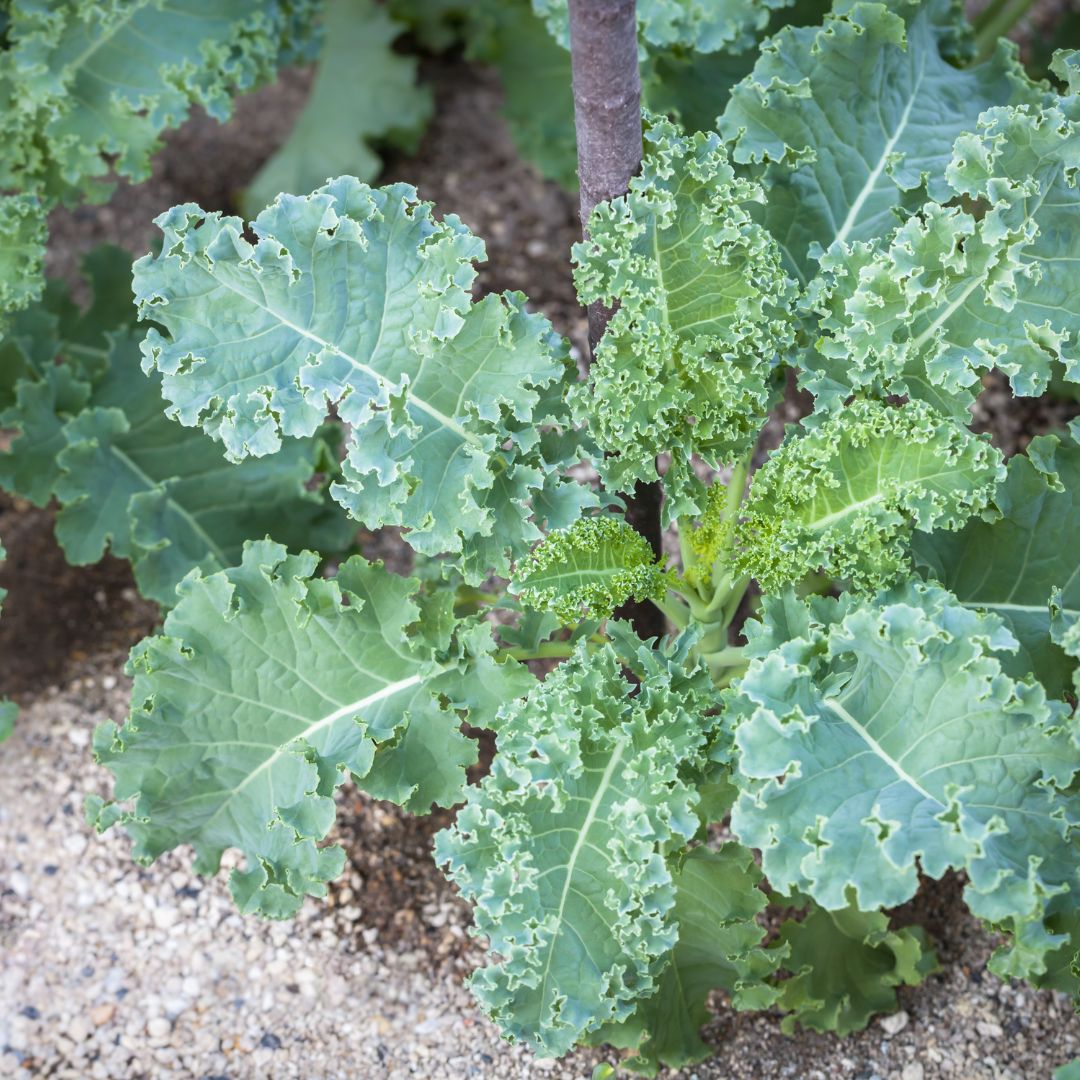
Scarlet Kale is a stunning curly-leaf kale variety known for its vibrant purple-red foliage and exceptional nutritional value. It is easy to grow, highly productive, and performs well in garden beds and containers. The colorful leaves become even richer in cool weather, making Scarlet Kale both an ornamental and edible addition to any garden. Rich in vitamins A, C, and K, antioxidants, calcium, and dietary fiber, Scarlet Kale is perfect for fresh salads, smoothies, stir-fries, soups, and healthy side dishes. Harvest young leaves for tender salads or mature leaves for cooking.
Ships from Amor EcoFarm, Chiang Mai, Thailand in 1–3 business days
Nationwide delivery in 2–5 days after dispatch • Free over ฿500.
Growing snapshot
- Sunlight
- Full sun to partial shade
- Water
- Regular
- Difficulty
- Easy
- Container
- Yes
- Temperature
- 24–32°C
Why you'll love growing Scarlet Kale Seeds for Home Gardening
Farm-fresh flavor
Picked at peak ripeness, minutes from plate — a flavor supermarkets can't match.
Thrives in Thailand
Chosen for tropical balconies and gardens — no greenhouse required.
Fun for the whole family
A short-cycle project kids can water, watch, and harvest with you.
Growing timeline
- 1
Sow Seeds
Day 0
- 2
Germination
Day 5–10
- 3
Transplant
Day 15–20
- 4
Baby Harvest
Day 55–65
- 5
Full Harvest
Day 75–85
How to grow Scarlet Kale
- 1
Prepare the Soil
Prepare loose, fertile, well-drained soil enriched with compost or organic matter before planting.
- 2
Sow the Seeds
Sow seeds about 0.5–1 cm deep and keep the soil consistently moist until germination.
- 3
Transplant Seedlings
Transplant seedlings when they have 2–3 true leaves, spacing plants 30–45 cm apart.
- 4
Care for the Plant
Water regularly, apply balanced fertilizer every 2–3 weeks, and remove weeds to encourage healthy growth.
- 5
Harvest the Leaves
Harvest the outer leaves first while leaving the center growing point to encourage continuous production.
Plant care
Watering
Keep soil consistently moist but not waterlogged
Fertilizing
Scarlet Kale is a moderate-to-heavy feeder and benefits from regular nitrogen for healthy leafy growth. Mix compost or well-rotted organic matter into the soil before planting. After transplanting, feed with a balanced fertilizer or nitrogen-rich organic fertilizer every 2–4 weeks according to the product instructions. Avoid excessive fertilizing, which can cause overly soft growth.
Pests & diseases
Watch for aphids clustering on the undersides of young leaves, cabbage loopers and diamondback moth caterpillars chewing holes, and flea beetles peppering leaves with tiny pinholes. Rinse aphids off with a strong spray of water or spot-treat with neem oil. Handpick caterpillars in the morning or use Bt (Bacillus thuringiensis) as a targeted, organic control. Powdery mildew and downy mildew appear in humid conditions — improve air flow, water at the base, and remove affected leaves promptly.
Harvesting
Baby leaves can be harvested when they are about 3–4 inches long, usually around 30–40 days after sowing. For mature leaves, begin harvesting around 55–80 days. Pick the older outer leaves first and leave the younger center leaves growing so the plant can continue producing. Harvest in the cool morning hours for the best freshness and quality.
Companion planting
Kale grows beautifully with beets, celery, onions, garlic, dill, potatoes, and aromatic herbs such as rosemary and mint (contain the mint in a pot). Nasturtiums and marigolds nearby act as trap crops for aphids and deter cabbage moths. Avoid planting kale near strawberries, tomatoes, or pole beans, as they compete for nutrients and can share pests or slow each other's growth.
Growing success guarantee
Every order comes with support from the Amor Grow team — from sowing day to harvest day.
Frequently bought together
Seeds and supplies growers pair with this one.
Customers also viewed
Product specifications
- Category
- Vegetables
- Scientific name
- Brassica oleracea var. sabellica
- Life cycle
- biennial
- Care level
- Easy
- Days to germination
- 6–10 days
- Days to harvest
- 30–40 days for baby leaves; 55–80 days for mature leaves
- Sunlight
- Full sun to partial shade
- Water
- Keep soil consistently moist but not waterlogged
- Spacing
- 30–45 cm between plants
- Soil
- Rich, fertile, well-drained soil with plenty of organic matter
- Ideal temperature
- 15–24°C ideal (tolerates 4–29°C)
- Container suitable
- Yes
- Suitable for Thailand
- Yes
- Non-GMO
- Yes
- Grown at
- Amor EcoFarm
Secure checkout
SSL-encrypted end to end
PromptPay
Scan and pay instantly
Cash on delivery
Pay when your order arrives
Real growers
Answered by our farm team