Seedlings
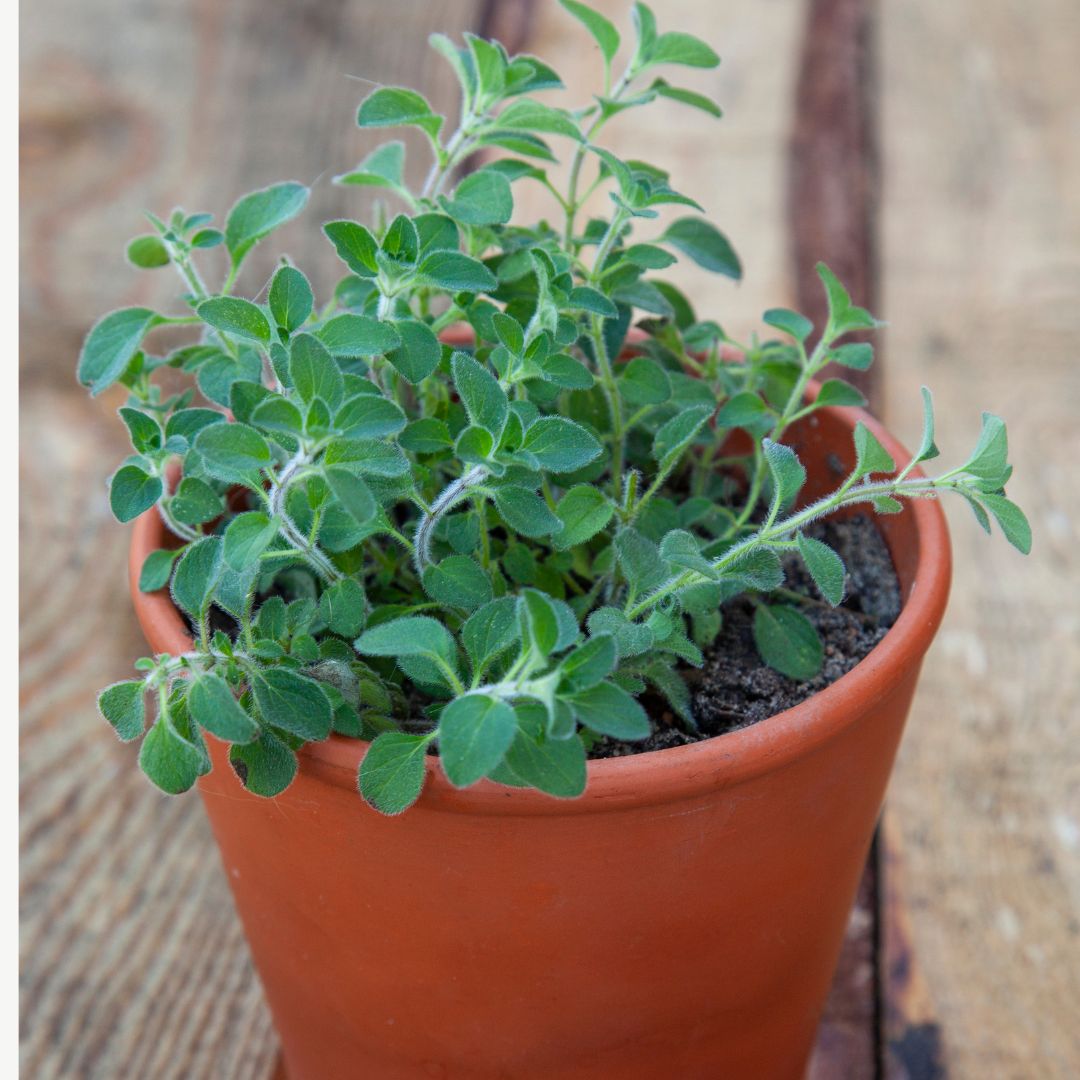
Common Italian Oregano Seedling
Fresh Italian oregano, ready to plant and grow at home.
Options
Product overview
Common Italian Oregano (Origanum vulgare) is a fragrant culinary herb valued for its classic savory flavor and aroma. Starting with a live seedling gives you a head start, allowing you to skip the seed-germination stage and begin growing an established young plant. Ideal for pots, balconies, kitchen gardens, and edible home gardens, oregano develops into a bushy perennial herb when given suitable growing conditions. The aromatic leaves can be harvested regularly for use in pizza, pasta, tomato sauces, marinades, roasted vegetables, soups, and herb blends. Available in 4-inch and 6-inch pots, so you can choose the plant size that best suits your growing space and needs.
Ships from Amor EcoFarm, Chiang Mai, Thailand in 1–3 business days
Nationwide delivery in 2–5 days after dispatch • Free over ฿500.
Plant facts
- Scientific Name
- Origanum vulgare
- Pot Size
- 4-inch or 6-inch pot
- Plant Size
- Varies by growth stage
- Life Cycle
- Perennial herb
- Light
- Full sun to partial shade
- Suitable Climate
- Warm climate; protect from extreme heat
- Planting Location
- Pots, balconies, raised beds & kitchen gardens
- Harvest
- Harvest leaves regularly once established
Care after arrival
After receiving your oregano seedling, unpack it carefully and place it in a bright, well-ventilated area protected from strong direct sun. Check the growing medium and water lightly if it feels dry, but avoid overwatering. Allow the plant 1–3 days to recover from transportation before gradually introducing it to morning sunlight. Avoid intense afternoon sun during the adjustment period. Once the plant looks healthy and upright, it can be transplanted into a larger pot or garden bed with well-draining soil. Water thoroughly after transplanting and keep it protected from strong sun for the first few days while the roots establish.
Watering guide
Water oregano when the top 1–2 inches of the growing medium feels dry. Water thoroughly until excess water drains from the bottom of the pot, then allow the soil to dry slightly before watering again. Avoid keeping the soil constantly wet or leaving the pot standing in water, as oregano prefers good drainage and can suffer from root problems in waterlogged conditions. During hot weather, check container-grown plants more frequently because pots can dry quickly. Always check the soil moisture rather than watering on a fixed schedule.
Acclimatization guide
- 1
Place the oregano in a bright, shaded, well-ventilated area for the first 1–2 days after arrival. Avoid strong direct sun while the plant recovers from transportation.
- 2
Once the plant looks healthy and upright, begin giving it gentle morning sunlight for a few hours. Continue to protect it from intense afternoon sun.
- 3
Over the next 3–5 days, gradually increase the amount of sunlight the plant receives. Watch for wilting or leaf scorch and reduce direct sun if the plant shows signs of stress.
- 4
After about one week of gradual adjustment, move the oregano to its regular growing location. In Thailand, a spot with good morning sun and protection from intense afternoon heat is a practical choice.
Transplant guide
- 1
Choose a pot or garden location with good drainage and plenty of light. In Thailand, morning sun with some protection from intense afternoon heat is ideal.
- 2
Use a well-draining growing mix. If transplanting into a pot, choose a container with drainage holes that is larger than the current pot.
- 3
Water lightly before transplanting if the growing medium is very dry. Gently remove the oregano from its pot while keeping the root ball as intact as possible. Avoid pulling the plant by its stems.
- 4
Place the oregano at approximately the same soil level as it was growing in the original pot. Fill around the root ball with growing medium and gently firm it in place without compacting the soil too tightly.
- 5
Water thoroughly after transplanting and allow excess water to drain. Keep the plant protected from strong afternoon sun for the first few days, then gradually return it to its normal growing conditions.
Fertilizer recommendation
Oregano is a light feeder and does not require heavy fertilization. After transplanting, allow the plant to establish before beginning regular feeding. For container-grown oregano, apply a mild balanced organic or liquid fertilizer at a diluted rate about every 4–6 weeks during active growth. Compost or vermicompost can also be added in small amounts to support healthy growth. Avoid over-fertilizing, especially with high-nitrogen fertilizers, as excessive feeding can encourage soft growth and reduce the intensity of the herb’s aroma and flavor. Always follow the fertilizer label and adjust feeding according to the plant’s condition.
Frequently bought together
Secure checkout
SSL-encrypted end to end
PromptPay
Scan and pay instantly
Cash on delivery
Pay when your order arrives
Real growers
Answered by our farm team